
Branding vs Logo: What’s the Difference?
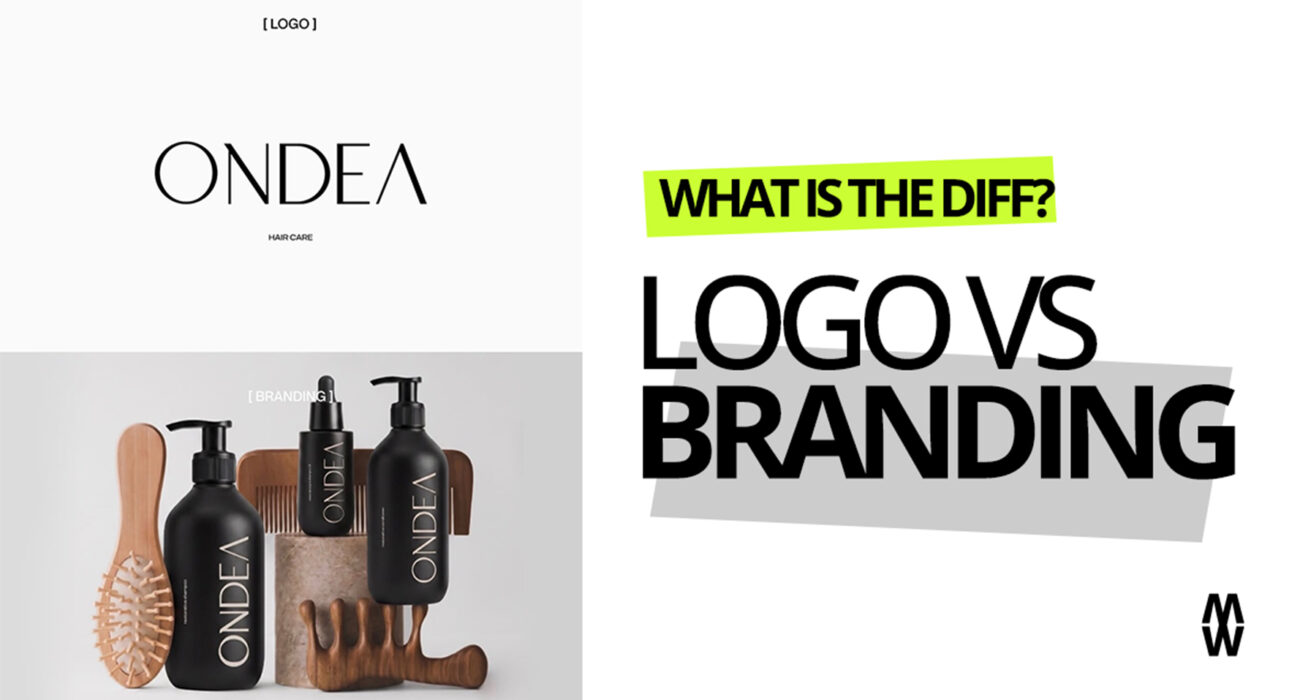
Branding vs logo is a common question for businesses building their identity. Although a logo is an important part of a brand, branding and logo design are not the same thing.
A logo is a visual identifier that helps people recognize a business. Branding is the complete process of shaping how people see, understand, remember, and experience that business.
In simple terms:
A logo identifies your business. Branding gives your business meaning.
Understanding the difference between branding and a logo can help businesses make better decisions when developing their brand identity, website, marketing materials, and customer experience.
What Is a Logo?
A logo is a visual representation of a business, organization, product, or service.
It can be a:
- Wordmark
- Lettermark
- Symbol
- Emblem
- Combination mark
- Abstract logo
The main purpose of a logo is recognition.
For example, when customers repeatedly see the same logo on a website, social media profile, packaging, advertisements, or business cards, the logo helps them identify the business.
However, a logo cannot communicate the entire story of a brand by itself.
A logo is one element of a larger brand identity.

What Is Branding?
Branding is the strategic process of creating a distinctive identity and perception for a business.
It influences how customers recognize and experience a company across different touchpoints.
Branding can include:
- Brand strategy
- Brand positioning
- Brand personality
- Brand messaging
- Brand voice
- Logo design
- Color palette
- Typography
- Photography style
- Graphic design
- Packaging
- Website experience
- Social media communication
- Customer experience
| Feature | Logo | Branding | Purpose |
|---|---|---|---|
| Logo Design | ✓ | ✓ | Creates visual recognition |
| Brand Strategy | — | ✓ | Defines business direction |
| Brand Positioning | — | ✓ | Defines market perception |
| Brand Personality | — | ✓ | Defines how the brand feels |
| Color Palette | — | ✓ | Creates visual consistency |
| Typography System | — | ✓ | Creates a consistent look |
| Brand Voice & Messaging | — | ✓ | Shapes communication |
| Customer Experience | — | ✓ | Shapes customer perception |
| Brand Guidelines | — | ✓ | Keeps everything consistent |
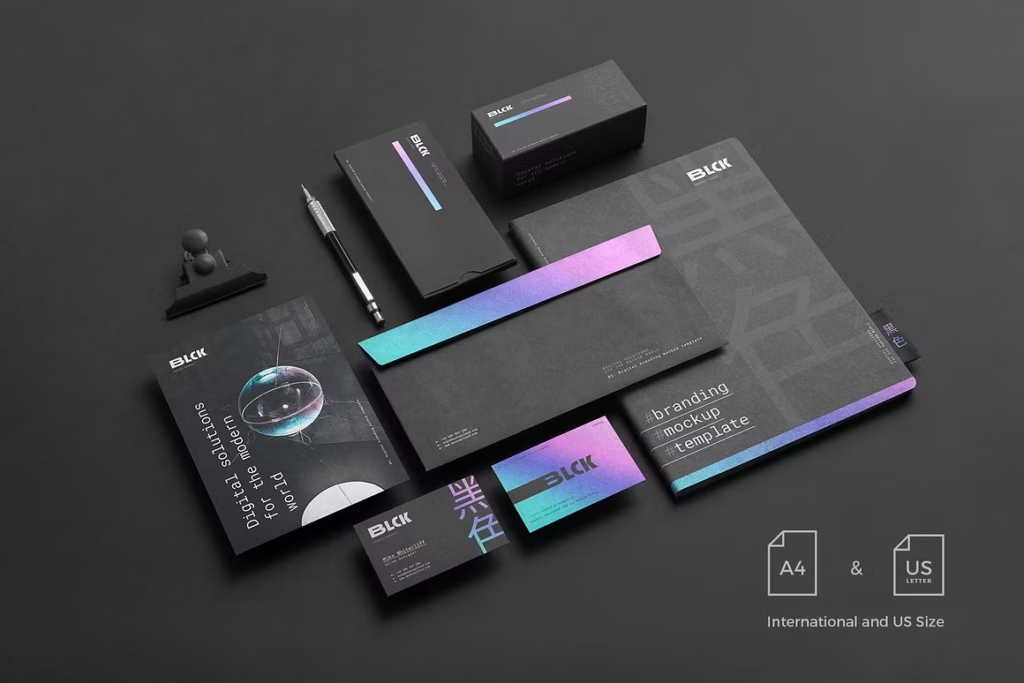
This is why branding is much broader than logo design.
A business may have a professional logo, but without consistent messaging, visuals, positioning, and customer experience, the overall brand can still feel unclear.
Branding vs Logo: The Apple Example
A great way to understand branding vs logo is to look at Apple.
Apple’s bitten-apple logo is one of the most recognizable symbols in the world. It helps customers identify the company across its products, stores, packaging, and marketing.
But the logo alone is not what makes Apple’s brand distinctive.
Apple’s branding includes its product design, minimalist visual identity, typography, advertising style, website experience, packaging, and the way it communicates with customers.
For example, Apple’s clean product photography, simple messaging, and consistent design create a recognizable experience across its products and platforms.
The logo supports that experience, but the entire brand system creates the perception.
| Logo | Branding |
|---|---|
| Apple’s bitten-apple symbol | Apple’s overall identity and experience |
| Helps customers recognize Apple | Shapes how customers perceive Apple |
| Appears on products and packaging | Includes design, messaging, and customer experience |
| Creates visual recognition | Creates consistency and brand connection |
This example shows why a logo and branding should not be treated as the same thing.
The logo is the symbol people recognize. Branding is everything that makes the symbol meaningful.
For a business, the goal is not just to create a logo that looks good. It is to build a brand that people can recognize, understand, and remember.
Your logo is part of your brand. Your branding is what makes it matter.
At EMW, we understand that a logo is only one part of a strong brand. We help businesses develop the strategy, visual identity, and consistent brand experience that make their logo meaningful. From logo design and brand guidelines to websites and marketing communication, we bring every element together to create a brand that is recognizable, consistent, and memorable.